
|
|
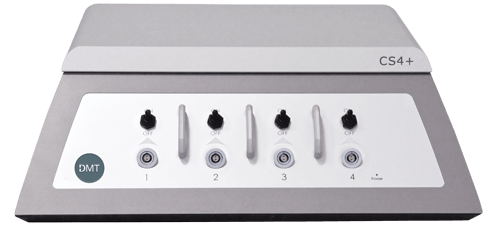
The CS4+ stimulator is a four-channel stimulator that combines a user-friendly GUI with advanced electrical stimulation features required in electrophysiological experiments. The CS4+ is a highly versatile voltage stimulator suitable for use with DMT systems.
The CS4+ is optimized for striated muscle stimulation and provides various stimulation modes such as single pulse, continuous frequency, and train pulse. The latter is particularly useful when doing fatigue studies in striated muscle, especially for NMD experiments in organ bath systems.
The MyoPULSE software controls the CS4+ stimulator, allowing programming of simple voltage single pulses as well as complex voltage trains stimulation protocols. All protocol parameters are quickly entered and saved and can be applied to one or any combination of up to four on the CS4+ stimulator, respectively.
The CS4+ have input and output trigger functions, and can be used to trigger externally connected equipment, e.g., the motor function on the DMT Muscle Strip System - 840MD or input trigger to start a stimulation protocol.
The CS4+ is optimized for striated muscle stimulation and provides various stimulation modes such as single pulse, continuous frequency, and train pulse. The latter is particularly useful when doing fatigue studies in striated muscle, especially for NMD experiments in organ bath systems.
The MyoPULSE software controls the CS4+ stimulator, allowing programming of simple voltage single pulses as well as complex voltage trains stimulation protocols. All protocol parameters are quickly entered and saved and can be applied to one or any combination of up to four on the CS4+ stimulator, respectively.
The CS4+ have input and output trigger functions, and can be used to trigger externally connected equipment, e.g., the motor function on the DMT Muscle Strip System - 840MD or input trigger to start a stimulation protocol.
|
|
Stimulator - CS4+ # 80V Constant Stimulator # Optimized for striated muscle stimulation # Quick & Easy setup and usage # single pulse, continuous frequency and train stimulation protocols # Built-in input and output trigger functions |
Related Products
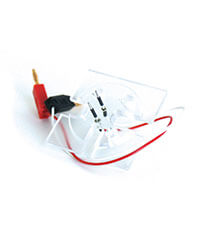
Electrode Cover for NFS
|
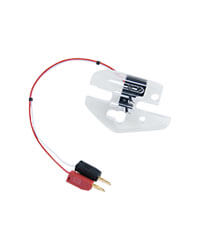
Electrode Cover for NFS
|
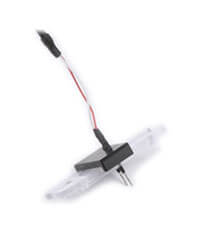
Electrode Cover for NFS
|
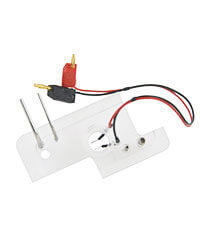
Electrode Cover for NFS
|
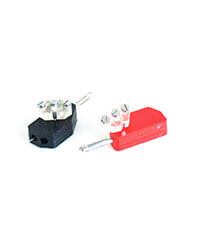
Mounting Jaws with Electrode
|
